
Accounting for Multiple Revenue Streams: Common Pitfalls and Tips
-
By
 officem

Key Takeaways:
- Accurate categorisation of income streams ensures that financial reports accurately reflect the business’s true performance, making it easier to identify profitable areas.
- Proper timing and recognition of income are essential for maintaining compliance and avoiding errors in tax filings or reported earnings.
- Tracking expenses alongside corresponding revenue helps businesses understand their real profit margins and make informed strategic decisions.
- Technology and professional expertise play a crucial role in managing complex financial structures, improving accuracy, and supporting sustainable business growth.
How SMEs Can Stay on Top of Complex Revenue Management
As more SMEs in Singapore expand their business models to include product sales, service fees, and subscription income, financial management can become a balancing act. Each source of income operates on its own set of timing and recognition rules, which can make tracking and reporting far more complicated than they appear.
Without a structured SME accounting framework, businesses risk overstating income, misjudging cash flow, or falling behind on compliance. Managing multiple revenue streams effectively requires precision, consistency, and a clear understanding of how each income type influences overall performance.
This article explores the most common accounting challenges SMEs face when managing diverse income streams and offers practical guidance on maintaining organisation, accuracy, and compliance as your business grows.
Why Clear Revenue Categorisation Matters in Financial Reporting
When different sources of income are not clearly separated in the chart of accounts, financial statements can quickly lose accuracy. Merging product sales with recurring subscription fees, for instance, can blur the distinction between short-term and long-term revenue, making profitability assessment more challenging.
Proper categorisation ensures that every income stream is recorded correctly, providing business owners with a transparent view of their performance. With clearer segmentation, it becomes easier to identify which areas drive strong returns and which may require closer cost control or pricing adjustments.
An organised SME accounting system helps maintain this level of clarity, ensuring financial reports remain consistent, reliable, and easy to interpret.
How Revenue Recognition Affects Compliance and Tax Accuracy
Revenue recognition is a key part of maintaining compliance and ensuring financial accuracy. Each revenue model has its own recognition rules, which depend on when income is earned rather than when payment is received.
For example, service-based businesses typically recognise revenue as project milestones are completed, while product-based companies record it once goods are delivered. Subscription-based businesses, on the other hand, may spread revenue evenly over the duration of the contract.
Misapplying these rules can result in overstated earnings or inaccurate tax submissions. Engaging an outsourced accountant who is well-versed in Singapore’s accounting standards can help ensure revenue is recognised correctly and compliance risks are minimised.
Why Tracking Direct Costs by Revenue Stream Is Essential
When a business earns income from multiple sources, tracking costs accurately is just as important as recording revenue. Without aligning direct expenses with the income they generate, it becomes difficult to determine which areas of the business are truly profitable.
Service delivery costs, software subscriptions, and product procurement expenses should each be tied to their respective revenue streams. This clarity supports better decision-making and reveals where resources are delivering the most substantial returns.
A systemic SME accounting framework ensures that every dollar spent is linked to its purpose, promoting sustainable growth and transparent financial reporting.
How Timing Affects Cash Flow Accuracy
Cash flow can sometimes appear stronger than it truly is if timing adjustments are overlooked. When payments are received early or invoices are delayed, the reported figures may not accurately reflect the actual period during which income is earned.
This mismatch can create a misleading sense of liquidity, potentially leading to budgeting errors or unnecessary expenditures. Effective cash flow management requires aligning income recognition with the timing of service delivery or product fulfilment. By maintaining accurate records and utilising reliable accounting systems, SMEs can gain a clear, real-time understanding of their financial position and avoid short-term cash flow issues.
How Technology and Professional Support Improve Accounting Accuracy
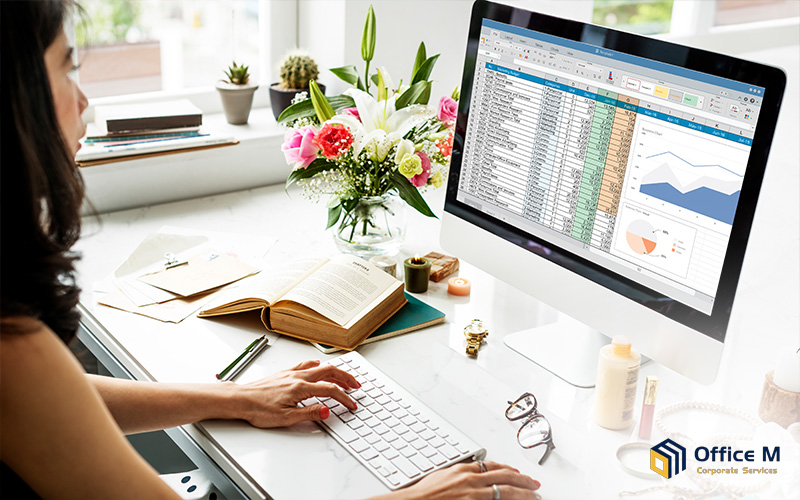
Handling multiple revenue streams manually can be both time-consuming and prone to errors. Cloud-based accounting platforms now make it easier to automate invoicing, track expenses in real time, and manage integrated multi-revenue stream accounting with greater precision.
For many small and medium-sized businesses, partnering with a corporate solutions firm provides an efficient way to maintain compliance and accuracy. Professional firms offer accounting service packages that cover bookkeeping, financial reporting, and advisory support, allowing business owners to focus on day-to-day operations while experts manage the details.
With professional guidance and the right digital tools, companies gain better visibility across income sources, supporting clearer decision-making and stronger financial control through effective SME accounting.
Building Financial Clarity and Confidence for Long-Term Growth
Diversifying revenue streams can enhance an SME’s resilience and create new opportunities for growth and expansion. Yet, it also introduces accounting complexities that require a structured approach and close attention to detail. From accurate income categorisation to managing recognition, costs, and cash flow, every step plays a part in maintaining financial clarity.
Partnering with an experienced corporate services company such as Office M helps ensure your financial operations remain compliant, scalable, and transparent. Our team provides well-defined service packages tailored for SMEs, supporting you in managing diverse income sources and staying in control of your finances.
Get in touch today to learn how professional SME accounting support can simplify financial management and give you more time to focus on growing your business with confidence.