
Key Tax Deadlines in Singapore Every SME Should Know


Key Takeaways:
- Timely compliance prevents unnecessary penalties. Submitting your company’s financial and tax documents on time helps avoid late fees, interest charges, and enforcement actions from the authorities.
- Good recordkeeping supports accurate submissions. Maintaining organised financial records throughout the year ensures smoother reporting and reduces the likelihood of errors during filing.
- Different filings follow different timelines. From income reporting to employee submissions, each type of filing has its own due date, making it important for businesses to plan ahead and track all deadlines carefully.
- Professional guidance can simplify compliance. Engaging qualified accounting and corporate support allows businesses to manage their tax obligations more efficiently and focus on day-to-day operations with confidence.
Staying Compliant with Singapore’s Tax Calendar
Missing a tax deadline can quickly lead to penalties, interest charges, and added stress for business owners. Staying on top of Singapore’s tax filing deadlines helps SMEs submit their documents accurately and avoid unnecessary costs.
Singapore’s tax framework emphasises timeliness and transparency. Knowing when to file corporate, income, and employee-related taxes allows you to manage your finances more confidently and keep your operations running smoothly. For many SMEs, these tasks can be time-consuming, which is why working with a trusted corporate services company makes the process simpler and more reliable.
Here is a clear overview of the key submission timelines every SME should keep in mind throughout the financial year.
When Must Companies Complete Their ECI Filing?
Every company in Singapore must file its Estimated Chargeable Income (ECI) within three months from the end of its financial year, unless it qualifies for an exemption. The ECI reflects your company’s estimated taxable income and helps IRAS determine the instalment plan for tax payments.
Being familiar with ECI filing requirements ensures that your company submits accurate information within the stipulated tax filing deadlines. Maintaining clear and organised financial records throughout the year makes it easier to prepare figures accurately and complete your final corporate tax filing without unnecessary delays.
What Is the Annual Deadline for Corporate Income Tax Filing?
Companies in Singapore must submit Form C, C-S, or C-S (Lite) by 30 November each year. This corporate income tax return provides IRAS with a summary of your company’s revenue, business expenses, and allowable deductions for the financial year.
Accurate corporate tax filing reflects sound governance and compliance with Singapore’s statutory tax filing deadlines. To ensure their returns are prepared correctly and in line with the latest IRAS standards, many SMEs choose to engage professionals offering taxation services, helping them manage submissions efficiently and with confidence.
How Often Do GST-Registered Businesses File Returns?
For companies registered under the Goods and Services Tax (GST), returns must be submitted every quarter, usually by the last day of the month following the end of the accounting period. Each GST F5 return reports both output and input tax and should be supported by accurate documentation.
Maintaining a consistent GST submission schedule helps businesses prevent filing errors and manage cash flow more effectively. Many SMEs find it practical to work with an outsourced accountant who can oversee bookkeeping, track reporting periods, and ensure each GST return is submitted promptly throughout the year.
When Are Employee Income Submissions Due?
Employers under the Auto-Inclusion Scheme (AIS) are required to submit employee income details to IRAS by 1 March each year. This allows employees’ earnings to be automatically reflected in their individual tax returns, making the filing process smoother for everyone involved.
Meeting this annual deadline ensures accurate reporting and minimises administrative errors. For businesses managing payroll manually, outsourcing this task can help maintain precision and ensure that all submissions are completed on time.
What Happens If a Company Misses Its Filing Deadlines?
Missing Singapore’s tax filing deadlines can lead to escalating consequences. IRAS may issue estimated assessments, impose late payment penalties, or take enforcement action if delays persist.
Such issues can strain cash flow and damage a company’s compliance record. Staying proactive, keeping your financial records organised, and engaging professional support are the most reliable ways to avoid these setbacks and maintain your business’s financial stability.
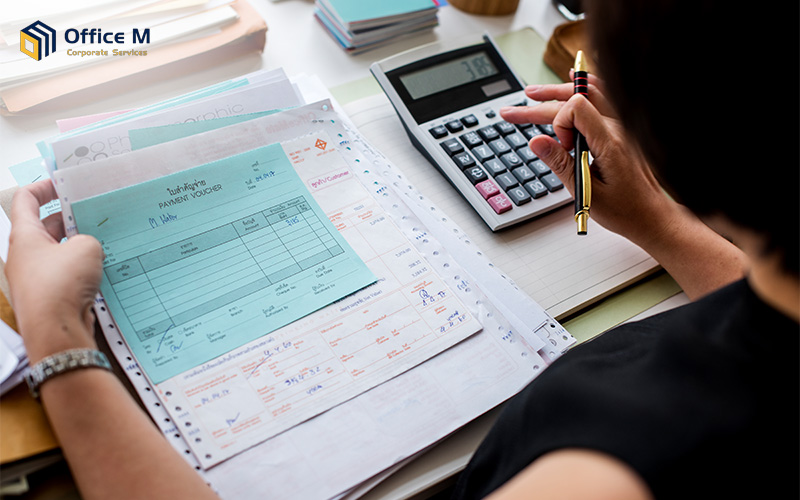
Stay Organised and File with Confidence
Timely filing is not just a statutory requirement; it is also a key part of sound financial management. By keeping track of IRAS tax deadlines and meeting your company’s tax filing deadlines, you can maintain operational stability and avoid unnecessary compliance issues.
Office M provides structured, end-to-end support for businesses in incorporation, accounting, and tax compliance. As a trusted corporate advisory firm, we help SMEs manage their filings with accuracy and efficiency, ensuring they remain compliant throughout the financial year.
Contact Office M today to discover how professional corporate support can simplify your tax obligations and keep your business running with confidence.
